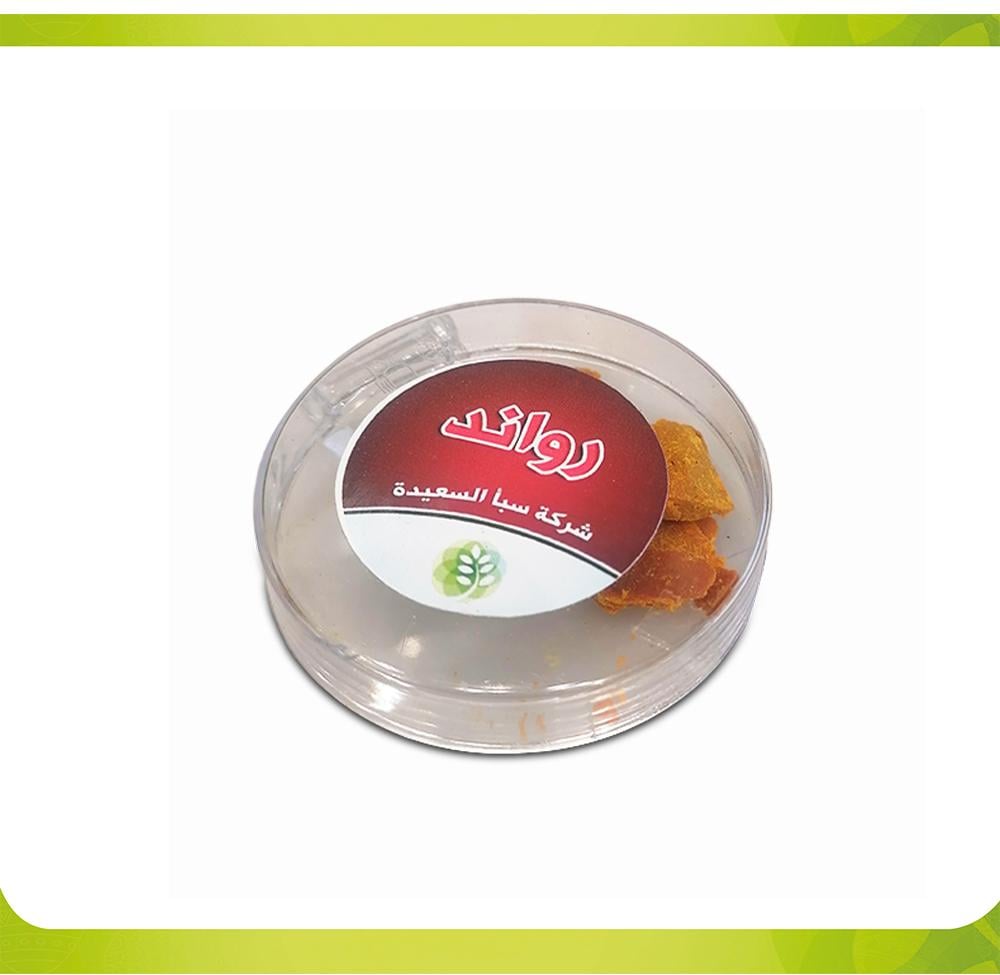
Product description: Rhubarb herb
Rhubarb herb is a herbaceous plant used in traditional medicine and cooking, and it has many health benefits. Rhubarb is considered a plant that mainly grows in cold regions, characterized by large leaves, thick roots, and small flowers. The roots are usually used in traditional medicine, while the red stalks are used in cooking to make jams and desserts.
Rhubarb herb for magic
In folk tradition, rhubarb herb has been associated with some rituals and magical practices. It is believed in some cultures that rhubarb possesses purifying and spiritual properties. Rhubarb powder is used in some ancient rituals to eliminate negative energy and protect against evil spirits. However, these beliefs should be approached with caution, as there is no scientific evidence supporting the effectiveness of rhubarb in this context.
Names of rhubarb herb
Rhubarb herb is known by several names around the world, depending on the region and language. Some common names include:
- Rhubarb
- Natural rhubarb
- Rhubarb herb
- Robin plant
- Red rhubarb
- Ocher rhubarb
- Ziziphus rhubarb
Names vary according to local dialects and different languages.
Method of using rhubarb herb
Rhubarb herb is used in various ways depending on the purpose:
In traditional medicine: Dried root powder is used to make medicinal drinks or tea to relieve digestive problems and stimulate digestion.
In cooking: The red stalks are used to prepare desserts, such as pies, jams, and beverages. They are distinguished by their delicious sour taste, adding a unique flavor to dishes.
In skincare: Rhubarb extracts are sometimes used in skincare products for their antioxidant properties.
Avoid consuming the leaves due to their high levels of oxalic acid, which can be toxic.
Risks of rhubarb herb
Despite its many benefits, rhubarb herb has some potential risks that should be noted:
Toxicity: Rhubarb leaves contain high levels of oxalic acid, which can be toxic if consumed in large quantities.
Drug interactions: Rhubarb may interact with some medications, especially gastrointestinal drugs.
Allergy: Consumption of rhubarb may cause allergic reactions in some people.
Therefore, it is advisable to consult a doctor before using it for treatment or supplements.
Benefits of rhubarb herb
Rhubarb herb has many health benefits, including:
Improving digestive health: Rhubarb is traditionally used as a digestive stimulant and has a mild laxative effect that helps relieve constipation.
Antioxidant: Rhubarb contains powerful antioxidants that help protect cells from damage.
Supporting heart health: Some studies indicate that rhubarb may contribute to lowering bad cholesterol levels and improving heart health.
Supporting weight loss: Due to its low-calorie content and high fiber, rhubarb can be part of a healthy weight loss diet.
What is rhubarb herb?
Rhubarb herb is a perennial herbaceous plant belonging to the Polygonaceae family. It mainly grows in cold and humid regions. The plant is famous for its large roots used in traditional medicine and its red stalks used in cooking. Rhubarb herb is distinguished by its multiple health benefits, but caution is necessary when using it, as some parts contain toxic substances.
Read more